
Money appears in everyday conversations, stories, speeches, and creative writing. Using similes for money makes your descriptions more vivid, memorable, and engaging. Whether you want to describe wealth, spending, saving, or the value of money, the right simile can strengthen your writing. In this guide, you’ll learn what similes for money are, why they matter, how to use them effectively, and discover 30 original examples with meanings, tones, and practical sentences.
Definition of Similes for Money
Similes for money are comparisons that describe money or financial situations by using the words “like” or “as.” They help readers understand wealth, value, spending, or saving through familiar images.
For example:
- “Money flowed like a river.”
- “His wallet was as empty as a desert.”
These comparisons create stronger mental pictures than plain descriptions.
What Is a Simile?
A simile is a figure of speech that compares two different things using “like” or “as.” It helps readers imagine something more clearly by connecting it to a familiar object or experience.
Example
- Busy as a bee
- Brave like a lion
- Quiet as snow
- Fast like lightning
- Cold as ice
- Rich as a king
- Light as a feather
- Sweet like honey
Why Use Similes for Money in Writing?
Using similes for money makes your writing more colorful, engaging, and memorable. Instead of simply saying someone is rich or broke, a well-chosen simile paints a clear picture for the reader.
- Make financial descriptions more vivid and interesting.
- Help readers visualize wealth, poverty, saving, or spending.
- Add emotion and personality to stories.
- Improve creative, descriptive, and persuasive writing.
- Make dialogue sound more natural.
- Capture the reader’s attention quickly.
- Replace repetitive words like “rich” or “poor.”
- Strengthen poetry, essays, speeches, and fiction.
- Make comparisons easier to understand.
- Leave a lasting impression on readers.
Types of Similes
Not all similes for money serve the same purpose. Some describe wealth, others focus on spending habits, while some highlight the value or rarity of money. Understanding these types helps you choose the right comparison for your writing.
Similes for Wealth
These similes describe abundance, prosperity, and financial success. They create strong images of having plenty of money or valuable possessions.
Example
- Rich as a king
- Wealthy like a treasure chest
- Money flowed like a river
- Rich as royalty
- Wealth sparkled like gold
- Fortune grew like a forest
- Rich as a successful merchant
- Money poured in like rain
Similes for Spending Money
These similes describe how quickly or freely someone spends money. They often add humor or exaggeration to financial situations.
Example
- Spending money like water
- Throwing dollars like confetti
- Paying bills like feeding a hungry fire
- Cash disappeared like melting ice
- Spending like there was no tomorrow
- Coins rolled away like loose marbles
- Money vanished like smoke
- Dollars flew away like autumn leaves
Similes for Saving Money
These similes highlight careful saving, budgeting, and financial discipline.
Example
- Saving money like a squirrel stores nuts
- Guarding cash as a dragon guards treasure
- Saving as carefully as a gardener waters plants
- Protecting every dollar like a jeweler protects diamonds
- Saving like filling a jar one coin at a time
- Holding onto money like a lifeboat in a storm
- Saving as patiently as an ant gathers food
- Watching every penny like a hawk watches prey
Similes for the Value of Money
These similes emphasize how valuable, rare, or important money can be.
Example
- Valuable like pure gold
- Worth as much as a rare gem
- Precious like family heirlooms
- Valuable as clean water in a desert
- Important like air to breathe
- Rare like a blue diamond
- Priceless like cherished memories
- Valuable as a winning lottery ticket
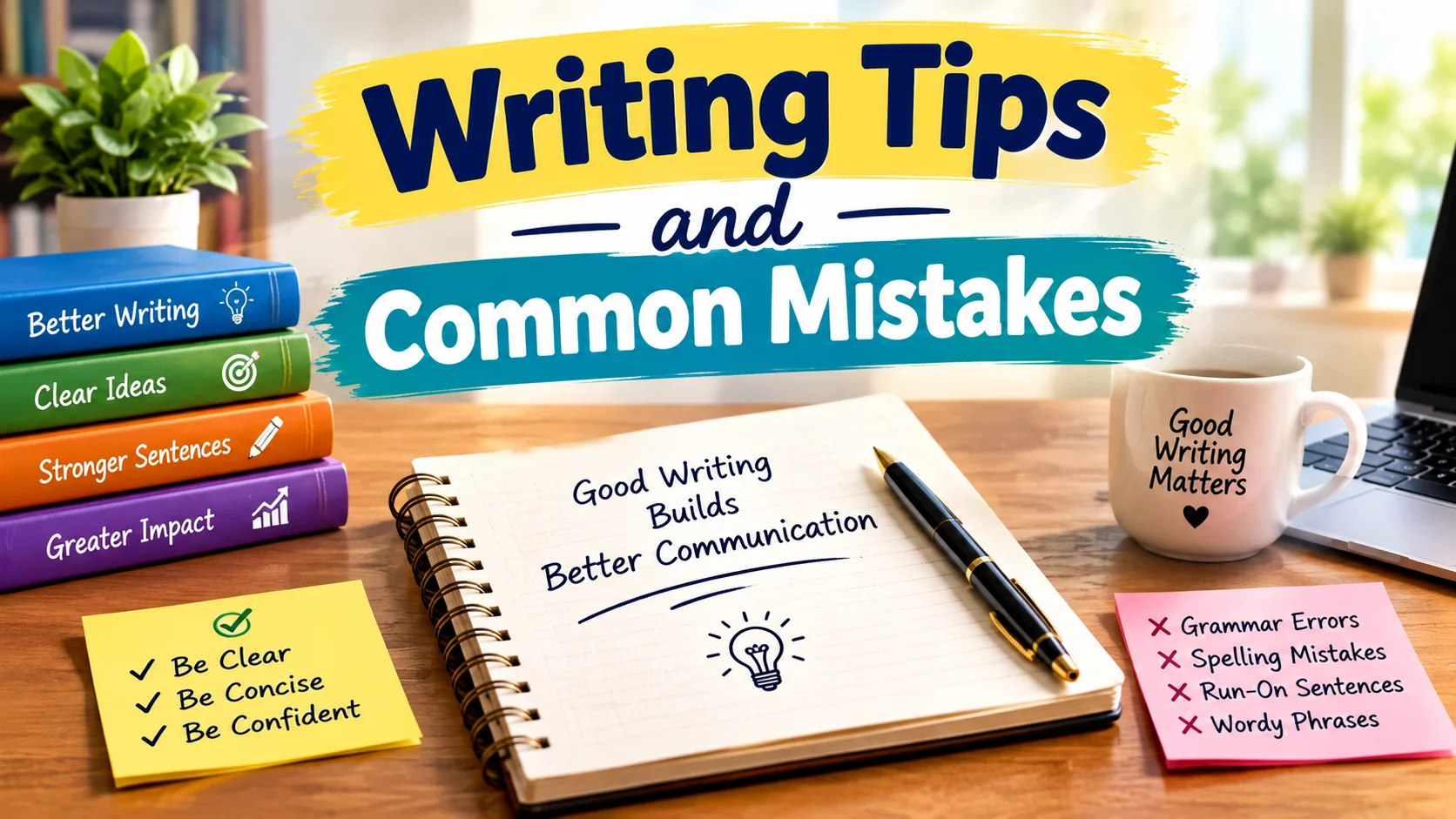
Writing Tips and Common Mistakes
Using similes for money effectively requires balance. A good simile should feel natural, clear, and easy to understand.
Useful Tips
- Compare money with familiar objects readers recognize.
- Keep similes short and easy to read.
- Match the tone of your writing.
- Use original comparisons when possible.
- Avoid repeating the same simile.
- Make sure the comparison supports your message.
- Read your sentence aloud to check if it sounds natural.
- Use similes sparingly for greater impact.
- Choose comparisons that fit your audience.
- Replace weak adjectives with strong similes whenever appropriate.
Common Mistakes to Avoid
- Using mixed comparisons.
Example: “Money flowed like a river and barked like a dog.” - Choosing confusing comparisons.
Example: “Money was like a square cloud.” - Overusing similes in every sentence.
- Using clichés too often without adding originality.
- Comparing unrelated ideas that don’t make sense.
- Making comparisons that are too long.
- Forgetting to use “like” or “as.”
- Using similes that don’t match the tone of your writing.
- Repeating the same words unnecessarily.
- Using comparisons your audience may not understand.
30 Similes for Money
Money flowed like a river
Meaning: Money came in or was spent continuously.
Detailed Explanation: This simile describes a steady and abundant flow of money. It often refers to great wealth or heavy spending.
Tone: Descriptive, dramatic
Examples
- Money flowed like a river after the business became successful.
- During the holiday season, money flowed like a river through the local shops.
- Investors watched money flow like a river into the new company.
Money vanished like morning mist.
Meaning: Money disappeared very quickly.
Detailed Explanation: It compares money to mist that fades away soon after sunrise, showing how quickly funds can be lost or spent.
Tone: Reflective, vivid
Examples
- My paycheck vanished like morning mist after I paid the bills.
- The vacation savings disappeared like morning mist.
- His bonus vanished like morning mist within a week.
As valuable as pure gold
Meaning: Extremely valuable.
Detailed Explanation: This simile emphasizes great worth by comparing money or something related to money with pure gold.
Tone: Formal, appreciative
Examples
- Every dollar felt as valuable as pure gold during college.
- Her financial advice was as valuable as pure gold.
- A steady income is as valuable as pure gold during uncertain times.
Like seeds growing into a forest
Meaning: Small savings can become great wealth.
Detailed Explanation: Just as tiny seeds grow into large forests over time, consistent saving can build significant financial security.
Tone: Inspirational
Examples
- His investments grew like seeds growing into a forest.
- Small deposits became wealth like seeds growing into a forest.
- Saving a little each month is like seeds growing into a forest.
As light as loose change
Meaning: Worth very little.
Detailed Explanation: This simile compares something inexpensive or insignificant to a handful of loose coins.
Tone: Casual
Examples
- The repair cost felt as light as loose change.
- That purchase was as light as loose change compared to the others.
- The fee seemed as light as loose change.
Like rain filling a lake
Meaning: Money accumulated steadily.
Detailed Explanation: This comparison highlights gradual financial growth through patience and consistency.
Tone: Hopeful
Examples
- Her savings grew like rain filling a lake.
- The business profits collected like rain filling a lake.
- Their retirement fund expanded like rain filling a lake.
As rare as a flawless diamond
Meaning: Extremely difficult to find.
Detailed Explanation: It emphasizes the rarity of exceptional financial opportunities.
Tone: Elegant
Examples
- An honest investment opportunity was as rare as a flawless diamond.
- Discounts that good are as rare as a flawless diamond.
- Financial success without effort is as rare as a flawless diamond.
Money scattered like autumn leaves
Meaning: Money was spent carelessly.
Detailed Explanation: Just as leaves scatter in the wind, money disappears quickly through careless spending.
Tone: Humorous
Examples
- He spent money like autumn leaves.
- Cash scattered as autumn leaves during the shopping trip.
- Their vacation budget scattered like autumn leaves.
As dependable as sunrise
Meaning: A reliable source of income.
Detailed Explanation: This simile compares consistent earnings to the certainty of the sun rising every day.
Tone: Positive
Examples
- Her salary was as dependable as sunrise.
- The rental income remained as dependable as sunrise.
- Their monthly profits became as dependable as sunrise.
Like treasure hidden beneath the sand
Meaning: Valuable but difficult to discover.
Detailed Explanation: This comparison suggests that wealth or financial opportunities require patience and effort to find.
Tone: Adventurous
Examples
- That investment opportunity was like treasure hidden beneath the sand.
- His forgotten savings account was like treasure hidden beneath the sand.
- Rare collectibles are like treasure hidden beneath the sand.
As strong as an oak vault
Meaning: Financially secure.
Detailed Explanation: This simile compares financial stability to the strength of a sturdy oak protecting valuables.
Tone: Confident
Examples
- Their finances were as strong as an oak vault.
- The company stood as strong as an oak vault during the recession.
- Her emergency fund remained as strong as an oak vault.
Like stars filling the night sky
Meaning: Money was abundant.
Detailed Explanation: It creates an image of countless stars to represent plentiful wealth.
Tone: Poetic
Examples
- Opportunities appeared like stars filling the night sky.
- Their profits multiplied like stars filling the night sky.
- Investors arrived like stars filling the night sky.
As slippery as wet coins
Meaning: Difficult to keep.
Detailed Explanation: This simile describes money that quickly slips away because of expenses.
Tone: Humorous
Examples
- My savings were as slippery as wet coins.
- His paycheck felt as slippery as wet coins.
- Cash became as slippery as wet coins after the holidays.
Like honey filling a jar
Meaning: Savings increased steadily.
Detailed Explanation: Just as honey slowly fills a container, careful saving builds wealth over time.
Tone: Warm
Examples
- Their savings grew like honey filling a jar.
- The investment account increased like honey filling a jar.
- Every paycheck filled the account like honey filling a jar.
As bright as a newly minted coin
Meaning: Fresh and promising financial success.
Detailed Explanation: This simile symbolizes new opportunities and optimism.
Tone: Optimistic
Examples
- The startup’s future looked as bright as a newly minted coin.
- His financial plan was as bright as a newly minted coin.
- The business outlook seemed as bright as a newly minted coin.
As steady as a ticking clock
Meaning: Income arrives consistently and on time.
Detailed Explanation: This simile compares a dependable income to the regular movement of a clock. It highlights reliability and financial stability.
Tone: Encouraging
Examples
- His paycheck arrived as steady as a ticking clock.
- Their rental income remained as steady as a ticking clock.
- The business earned profits as steady as a ticking clock.
Like snow piling on a rooftop
Meaning: Wealth grows little by little.
Detailed Explanation: Just as snow gradually covers a roof, savings and investments increase through consistent effort.
Tone: Calm, descriptive
Examples
- Her savings grew like snow piling on a rooftop.
- The investment fund expanded like snow piling on a rooftop.
- Their retirement account increased like snow piling on a rooftop.
As scarce as rain in a desert
Meaning: Money is very limited.
Detailed Explanation: This simile emphasizes a severe lack of money by comparing it to the rarity of rainfall in a desert.
Tone: Dramatic
Examples
- Money was as scarce as rain in a desert after the unexpected expenses.
- During the slow season, customers were as scarce as rain in a desert.
- Extra cash felt as scarce as rain in a desert.
Like sparks from a bonfire
Meaning: Money disappears quickly in many directions.
Detailed Explanation: Like sparks that fly away from a fire, money can vanish through numerous small expenses.
Tone: Vivid
Examples
- My savings flew away like sparks from a bonfire.
- The party expenses spread like sparks from a bonfire.
- Small purchases disappeared like sparks from a bonfire.
As heavy as a chest of coins
Meaning: Great financial responsibility or wealth.
Detailed Explanation: This simile represents either carrying significant wealth or managing major financial obligations.
Tone: Serious
Examples
- His financial duties felt as heavy as a chest of coins.
- The inheritance was as heavy as a chest of coins with responsibility.
- Running the company felt as heavy as a chest of coins.
Like water filling a well
Meaning: Savings increase steadily over time.
Detailed Explanation: This comparison shows how consistent effort gradually builds financial security.
Tone: Hopeful
Examples
- Their emergency fund grew like water filling a well.
- Every deposit filled the account like water filling a well.
- His investments increased like water filling a well.
As precious as a family heirloom
Meaning: Extremely valuable and worth protecting.
Detailed Explanation: This simile compares money or financial security to something treasured for generations.
Tone: Heartfelt
Examples
- Their savings were as precious as a family heirloom.
- Financial independence became as precious as a family heirloom.
- Every dollar felt as precious as a family heirloom.
Like vines climbing a wall
Meaning: Wealth grows steadily with patience.
Detailed Explanation: Just as vines slowly climb upward, money can grow through careful planning and time.
Tone: Inspirational
Examples
- Her investments grew like vines climbing a wall.
- The company’s profits climbed like vines climbing a wall.
- Their savings expanded like vines climbing a wall.
As quick as melting ice
Meaning: Money disappears almost immediately.
Detailed Explanation: This simile highlights how quickly money can be spent or lost.
Tone: Reflective
Examples
- My paycheck disappeared as quickly as melting ice.
- Vacation funds vanished as quickly as melting ice.
- The repair costs were gone as quickly as melting ice.
Like a lighthouse in a storm
Meaning: Money provides security during difficult times.
Detailed Explanation: This comparison shows how financial stability offers guidance and protection during hardship.
Tone: Reassuring
Examples
- Their emergency savings stood like a lighthouse in a storm.
- A steady income was like a lighthouse in a storm.
- Good budgeting became like a lighthouse in a storm.
As thin as a worn wallet
Meaning: Having very little money.
Detailed Explanation: This simile paints a clear picture of an empty wallet to describe financial hardship.
Tone: Humorous
Examples
- My budget was as thin as a worn wallet.
- His bank account looked as thin as a worn wallet.
- After the holidays, everyone’s wallet felt as thin as a worn wallet.
Like pearls on a string
Meaning: Money is carefully organized and managed.
Detailed Explanation: Just as pearls are arranged neatly, finances can be planned with care and precision.
Tone: Elegant
Examples
- Her finances were arranged like pearls on a string.
- Every expense fit like pearls on a string.
- Their monthly budget lined up like pearls on a string.
As bright as a golden sunrise
Meaning: Financial prospects are very promising.
Detailed Explanation: This simile compares future success to the hopeful light of a new day.
Tone: Optimistic
Examples
- The company’s future looked as bright as a golden sunrise.
- His investment strategy seemed as bright as a golden sunrise.
- Their financial goals appeared as bright as a golden sunrise.
Like roots spreading underground
Meaning: Wealth grows quietly over time.
Detailed Explanation: Like roots that strengthen a tree without being seen, long-term savings and investments build wealth gradually.
Tone: Thoughtful
Examples
- Their retirement fund expanded like roots spreading underground.
- Good financial habits grew like roots spreading underground.
- The business strengthened like roots spreading underground.
As solid as a mountain
Meaning: Financially secure and dependable.
Detailed Explanation: This simile compares strong finances to the stability and permanence of a mountain.
Tone: Confident
Examples
- Their financial future was as solid as a mountain.
- The family business remained as solid as a mountain.
- Her investment portfolio became as solid as a mountain.
Top 10 Similes for Money
| Simile | Meaning | Tone |
| Money flowed like a river | Money came in or was spent continuously | Descriptive |
| Money vanished like morning mist | Money disappeared very quickly | Reflective |
| As valuable as pure gold | Extremely valuable | Formal |
| Like seeds growing into a forest | Small savings become great wealth | Inspirational |
| Money scattered like autumn leaves | Money was spent carelessly | Humorous |
| As dependable as sunrise | Reliable source of income | Positive |
| As scarce as rain in a desert | Very little money is available | Dramatic |
| Like a lighthouse in a storm | Money provides security in difficult times | Reassuring |
| Like roots spreading underground | Wealth grows quietly over time | Thoughtful |
| As solid as a mountain | Financially secure and dependable | Confident |
Conclusion
Using similes for money is one of the easiest ways to make your writing more vivid, expressive, and memorable. Instead of using plain descriptions, these creative comparisons help readers picture wealth, saving, spending, and financial situations in a more engaging way. Whether you are writing a story, speech, blog post, essay, or social media caption, the right simile adds emotion, clarity, and personality to your words. The examples in this guide show how a simple comparison can transform ordinary sentences into powerful ones that leave a lasting impression. As you continue improving your writing, practice choosing similes for money that match your tone and purpose.
With regular use, you will build stronger descriptive skills and create content that connects naturally with readers. Keep experimenting with fresh comparisons, and let your creativity turn everyday financial ideas into language that is both meaningful and memorable.
FAQs
What are similes for money?
Similes for money are comparisons that use the words “like” or “as” to describe money, wealth, saving, spending, or financial situations. They make writing more colorful by helping readers picture ideas through familiar images and everyday experiences.
Why are similes for money useful in writing?
They make descriptions more engaging and easier to understand. Instead of simply saying someone is wealthy or broke, a simile creates a vivid mental image that adds emotion, creativity, and interest to stories, essays, speeches, and conversations.
How are similes for money different from metaphors?
A simile compares two things using “like” or “as,” while a metaphor says one thing is another without those words. Similes make comparisons more direct and easier for readers to recognize and understand.
Can I use similes for money in professional writing?
Yes. Professional writing can include similes for money when they fit the audience and purpose. Choose clear, natural comparisons that support your message without sounding overly dramatic or informal.
What is the most common simile for money?
One of the best-known examples is “spending money like water.” It describes someone who spends money freely or without much concern for saving. It is widely used because readers immediately understand its meaning.
How can I create my own similes for money?
Start by thinking about the quality you want to describe, such as wealth, value, or spending. Then compare it to something familiar using “like” or “as.” Keep the comparison simple, clear, and relevant to your message.
Are similes for money suitable for children?
Yes. Many similes for money are simple enough for children to understand and use. They can improve vocabulary, encourage creative thinking, and make writing activities more enjoyable while teaching descriptive language.
Should I use many similes for money in one article?
It is better to use them naturally rather than too often. A few well-placed similes create a stronger impact than filling every paragraph with comparisons. Balance helps your writing remain clear and enjoyable to read.
Can similes for money improve storytelling?
Absolutely. They help readers visualize financial situations, understand characters, and connect emotionally with a story. Creative comparisons also make scenes more memorable and give writing a richer, more descriptive style.
Where can I use similes for money?
You can use similes for money in stories, blog posts, essays, speeches, poems, classroom assignments, marketing content, and everyday conversations. They work well whenever you want to describe financial ideas more interestingly and imaginatively.

